
Our fellows
The creators of educational products for policymakers, the public, and studentsOur Current Fellows
The Harkin Institute’s fellows create original work products that educate policymakers, the public, and students on issues that were paramount in Senator Tom Harkin’s work throughout his career.

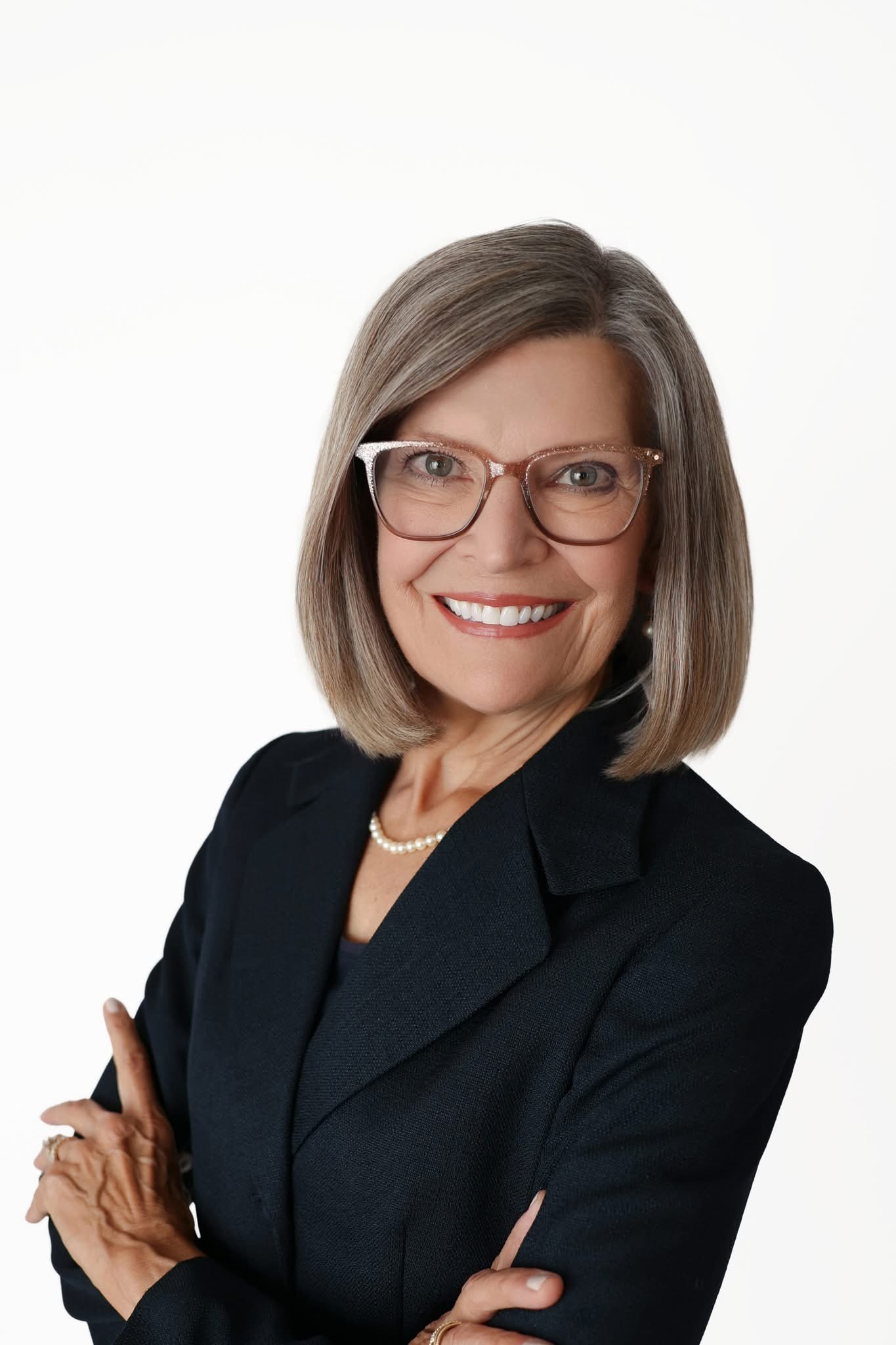
John and Terri Hale
Focus: Retirement Security
John and Terri Hale own The Hale Group, an Iowa-based advocacy firm focused on enhancing the lives of older Iowans, Iowans with disabilities, and their caregivers. They are recognized as independent thought leaders on long-term care programs and policies and as passionate, persistent voices calling for more choice in where care is provided, better options to pay for care, higher quality care, and greater support for paid and family caregivers.
Prior to forming The Hale Group, John was an Area Manager for the Social Security Administration, a locally elected public official, and a community foundation executive.
Terri’s 40+ year career as a communications professional includes television news reporter, anchor and news director; an on-air fundraiser for Iowa PBS, and media relations consultant for Principal Financial Group.
John and Terri will help lead The Harkin Institute’s initiatives addressing the challenges faced by more than 600,000 Iowa family caregivers: those who support friends or family who are no longer able to live and function independently due to age, accident or disability.
As family caregivers strive to ensure the highest quality of life for friends or family, they are often challenged to maintain their own physical, mental and financial health. They struggle to find balance among the various roles they play as parent, spouse, son or daughter, sibling, employee, community member and more.
Family caregivers are stressed, often invisible, and need help – from policy makers, health and long-term care service providers, government agencies, business and faith communities, advocacy organizations, and a host of others.
The Harkin Institute will seek to be a connector of the various entities that impact family caregivers, expand their awareness of caregiving challenges, and be a catalyst for change.
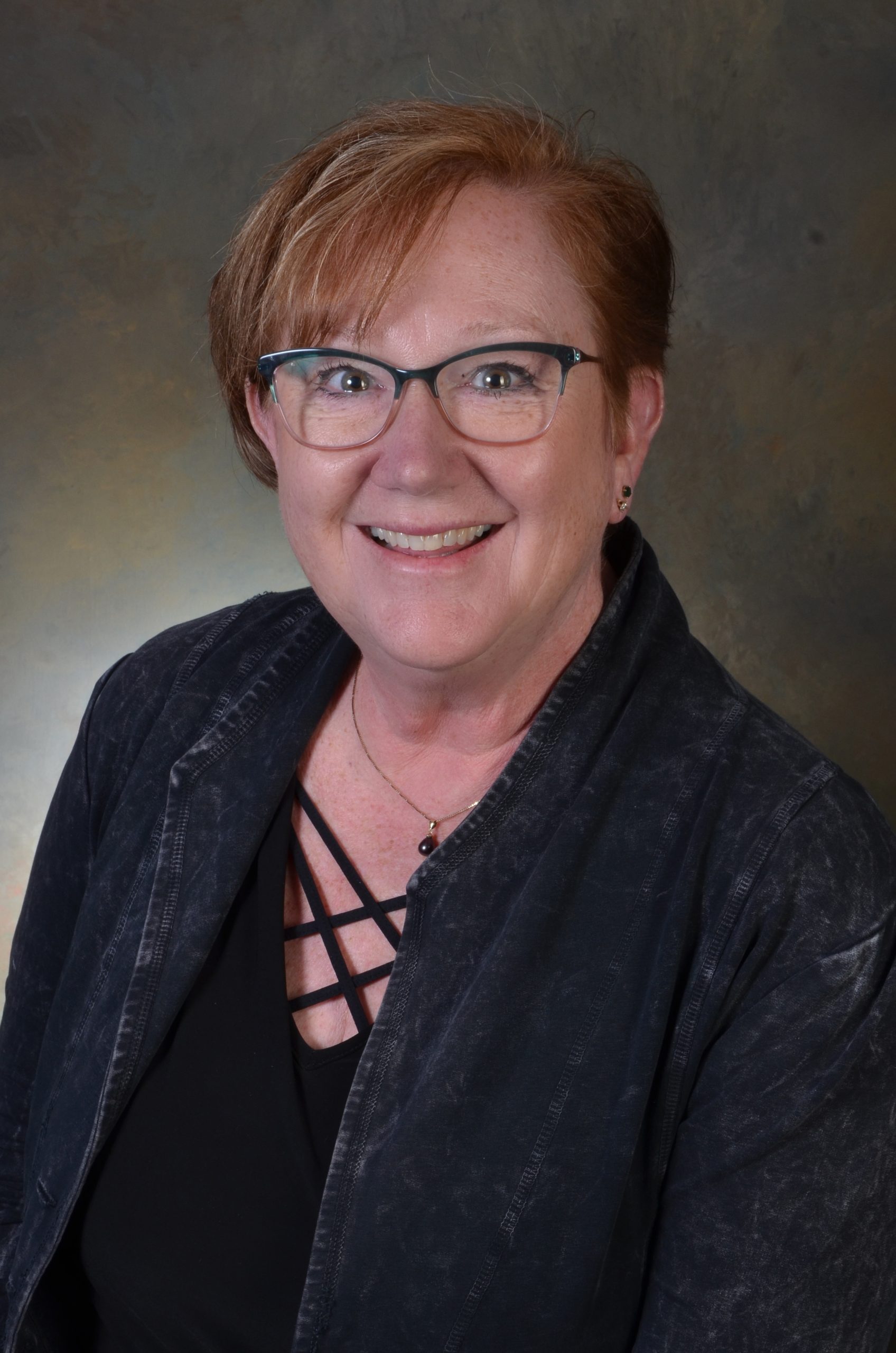
Dr. Kathryn Johnson
Focus: Disability Policy
Dr. Kathryn Johnson is an international disability rights advocate, educator, researcher, and global partnership leader with more than 26 years of experience advancing Deaf education, employment, leadership, and inclusion in China and the United States. She has developed long-standing partnerships with schools, universities, government agencies, and nonprofit organizations and has led more than 35 educational and cultural delegations to China.
Dr. Johnson has been a catalyst for U.S.-China educational exchange, including launching Chinese immersion programs in Minnesota, developing Chinese teacher preparation and exchange programs, and creating opportunities for students, educators, administrators, faculty, and community members to engage in cross-cultural learning. She is also committed to advancing Deaf leadership and has mentored 10 Deaf scholars and interns from China in research and educational internships in the United States.
Dr. Johnson is Executive Director of Partners in Excellence for International Development, L.L.C. and Professor Emeritus at St. Cloud State University, where she previously served as a faculty member in Special Education and later led the university’s partnerships with China and its Center for International Disability Advocacy and Diplomacy. She continues to conduct research and develop international programs with partners in China.
Dr. Johnson is honored to serve as a Harkin Fellow with the Harkin Institute and to collaborate with Ms. Xiaorong Zhou on advancing disability rights and Deaf leadership. In 2024, she was named a Zero Project Ambassador, recognizing her continued commitment to advancing disability inclusion and innovative solutions globally.
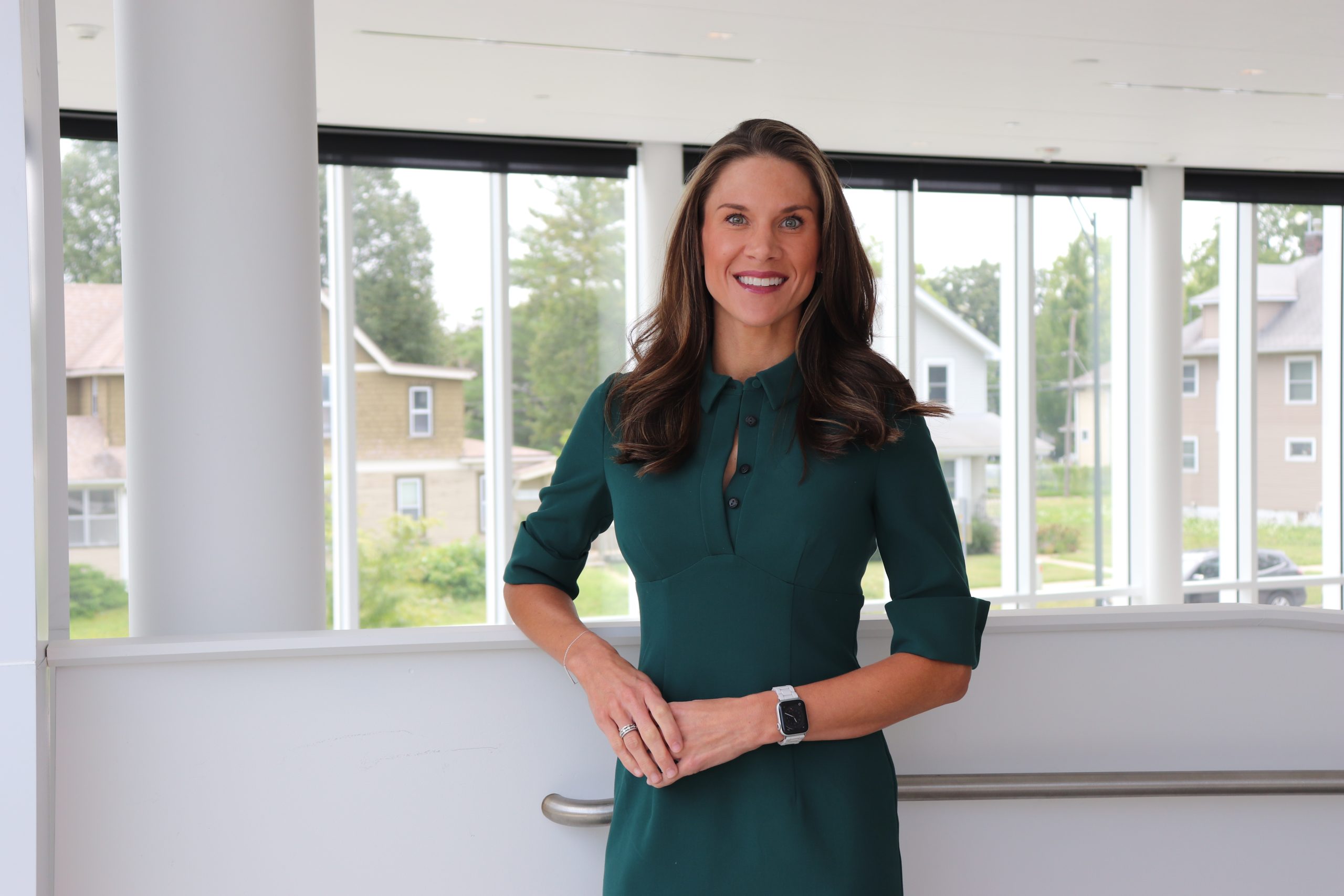
Ashlea Lantz
Focus: Disability Policy
Ashlea J. Lantz, M.S., CRC, CPWIC, works at the intersection of vocational rehabilitation, disability services, workforce development, and corporate disability inclusion. She directed THI’s work with the Council of State Administrators of Vocational Rehabilitation (CSAVR), which has since shaped national policy briefs on the public VR program, Pre-Employment Transition Services (Pre-ETS), and the federal VR funding formula. In addition to facilitating round table discussions at Summits on the future of VR. She has also helped lead the Institute’s work with Montana Vocational Rehabilitation, facilitating a strategic plan to address the segregation of employees with disabilities.
Apart from her policy work, Ashlea advises corporations on the business case for disability inclusion, helping organizations build strategies that expand workforce participation for people with disabilities. She is an adjunct instructor in Drake University’s Rehabilitation Counseling Program and a graduate of the program herself, where she helps prepare the next generation of rehabilitation professionals. Across all of her work, Ashlea is focused on advancing policies and partnerships that create real economic opportunity and full community inclusion for people with disabilities.
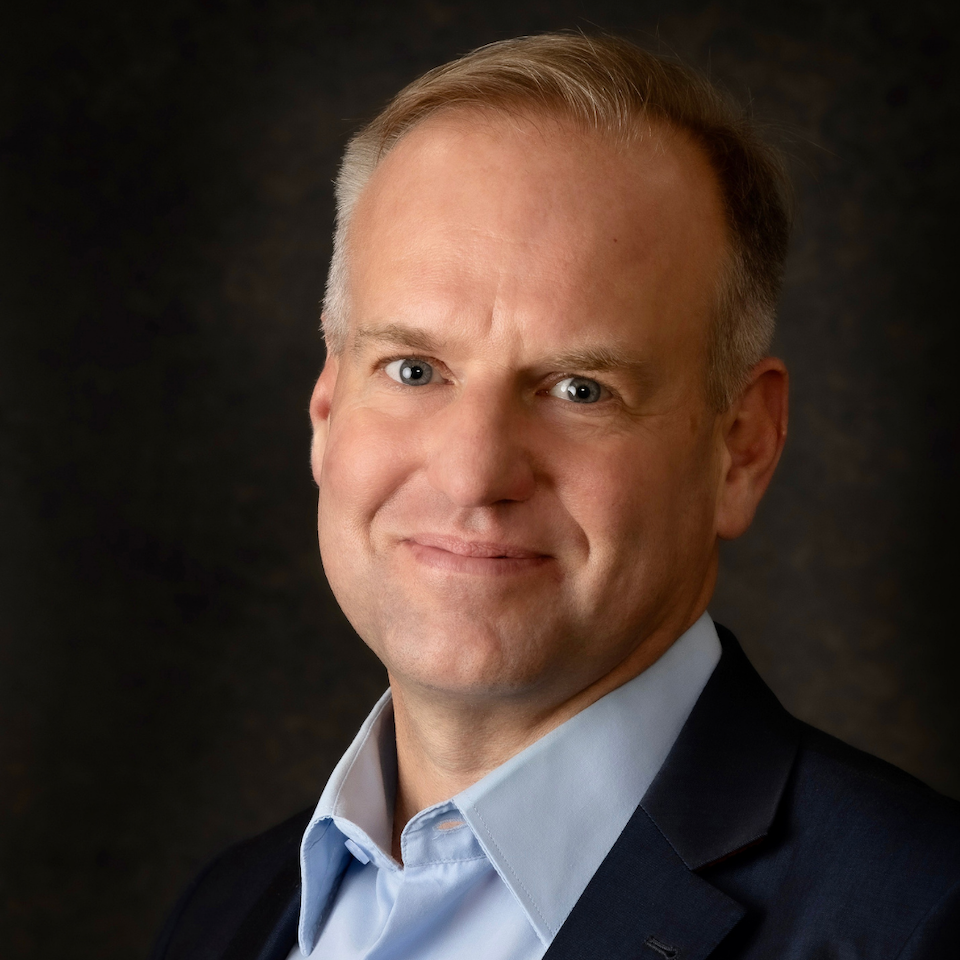
Bob Ludke
Focus: Disability Policy
Robert (Bob) Ludke’s passion is working with executives, innovators, and entrepreneurs creating long-term value for society. Over his career Bob has advised policymakers in the U.S. Senate and House of Representatives, taught at the United States International University in Nairobi, Kenya, and provided counsel on sustainability, CSR, and ESG strategies for companies in the retail, oil and gas, transportation, and finance industries. He is the author of Transformative Markets, a book about the role of markets in fostering a more sustainable and prosperous society (published in April through the Creator Institute of Georgetown University).
Bob had the honor of starting his career as an intern for Senator Harkin where he served on the Subcommittee for Disability Policy. A few years later, Bob returned to Senator Harkin’s staff as a legislative correspondent and legislative assistant.
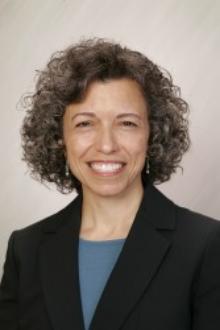
Sue Joseph Mattison, Ph.D.
Focus: Wellness & Nutrition and Senior Research Fellow
Dr. Sue Mattison is a Senior Research Fellow at the Harkin Institute. Working with colleagues at the Harkin Institute, the Iowa Environmental Council, Drake University, and other organizations, this collaborative work is focused on examining the impact of environmental exposures on Iowa’s high cancer rate, as well as proposing practical policy solutions. Prior to this role, Dr. Mattison also served as the Interim Director of Wellness & Nutrition.
Dr. Mattison earned her bachelor’s degree in economics and master’s degree in cardiac rehabilitation/exercise science from the University of Northern Iowa, and her PhD in Epidemiology from The University of Iowa. Her scholarship focuses on the epidemiology of cancer, having produced an extensive record of peer-reviewed research articles examining cancer outcomes, treatment, survival, risk factors, molecular markers, and economic aspects. Her research is cited as seminal in understanding racial disparities in cancer, and in 2000, her work was featured in the New York Times.
In June 2026, Dr. Mattison completed ten years of service as Provost at Drake University and was honored to step down with the title of Provost Emerita. In that role, she reported directly to the University President, and provided leadership for Drake’s seven academic colleges and schools and two libraries, as well as leading the offices of Equity and Inclusion, Institutional Research and Assessment, Online and Continuing Education, Grants and Compliance, the Registrar’s Office, Academic Quality, and Student Success.
As the first in her family to attend college, Dr. Mattison recognizes the truly transformative impact of higher education – not only on students, but also for their families and communities. As a faculty member, she taught undergraduate and graduate courses in epidemiology, statistics, and human diseases, and has received multiple awards for her scholarship, teaching, and service. In the fall of 2020, while serving as provost, she wasn’t about to let a world-wide pandemic pass by without making educational use of it and taught a first-year seminar at Drake on pandemics. She continues to provide guest lectures in classes at Drake.
Dr. Mattison volunteers for local, state-side, and international organizations advocating for water quality and environmental issues, supporting women released from prison, assisting immigrants and refugees, and building homes. With her husband, Todd, their daughters and loved ones, she enjoys travel and outdoor activities, as well as reading fiction, attending visual and performing arts, and creating several forms of needle arts with special interest towards learning their historic and current use in resistance movements.

Josh Pearson
Focus: Retirement Security
Dr. Joshua Pearson is the Program Director for the graduate Healthcare Leadership program at Winona State University (Winona, MN). Dr. Pearson has worked with The Harkin Institute as a Senior Research Fellow since 2023, supporting research publications focused on State Health Insurance Programs, Medicare enrollment, and trends/challenges for Medicare and Medicare Advantage. In addition to his experience in higher education, he also worked as a consultant and leader for Federally Qualified Health Centers (FQHCs). Dr. Pearson earned his doctorate degree from A.T. Still University and maintains certifications in healthcare quality and finance. His research interests include health policy issues related to health insurance coverage (with an emphasis on public insurance programs), rural healthcare workforce programs, and safety net providers.

Xiaorong Zhou
Focus: Disability Policy
Xiaorong Zhou is a Deaf international educator, sign language interpreter, and disability inclusion leader whose work bridges China and the United States. As President of Partners in Excellence for International Development, LLC (PIE), she leads cross-border initiatives that advance language access, Deaf education, leadership development, and institutional partnership. A native user of Chinese Sign Language with extensive professional experience in American Sign Language and International Sign, Xiaorong Zhou brings lived expertise and a distinctive cross-cultural perspective to education, policy dialogue, and international collaboration.
Before joining PIE, Xiaorong Zhou served at St. Cloud State University as a Visiting Research Scholar, Fellow Scholar, and Project and International Project Coordinator. She developed sign language education programs, coordinated international exchanges and professional training, and built partnerships among Deaf schools, universities, educators, and disability organizations in China and the United States. Zhou also assisted Dr. Kathryn Johnson in securing a grant to strengthen Chinese Sign Language interpreter education. The initiative connected Deaf faculty from three Chinese universities offering sign language interpreting programs with educational partners in the United States, creating a bridge for professional training, cross-cultural exchange, and sustained collaboration.
Xiaorong Zhou has contributed to international dialogue on Deaf leadership, disability inclusion, language access, and educational equity through presentations and partnerships across the United States, Europe, and Asia. She holds a Master of Arts in Rehabilitation from Korea Nazarene University, with a specialization in International Sign Language Interpreting. As a Fellow of The Harkin Institute, her interests center on how inclusive policy, language access, and international collaboration can expand educational opportunity, civic participation, and leadership for Deaf people in China, the United States, and around the world.
Fellowship details
- The Harkin Institute’s fellows may be faculty of Drake University or another institute, gap-year or doctoral scholars, or professional practitioners.
- Preference is given to faculty on sabbatical, retired professional practitioners, gap-year or doctoral scholars, and projects that have already received outside financial support. Drake University faculty chosen as fellows can negotiate a course reassignment with the provost office.
- Fellowships may be one semester, one academic year, two academic years, or a shorter specified duration, dependent on the institute’s priorities and the nature of the applicant’s proposed work.
- The Harkin Institute supports fellows through reimbursement of research-related expenditures, student employee wages, office space, and administrative support.
- The number of fellows varies annually depending upon the institute’s priorities and applicants’ proposals.
Fellows’ responsibilities
- Conduct original, data-driven research and analysis on the topics and policy priorities identified by The Harkin Institute with the goal of determining best practices and translating those practices into public policy tools; or
- Support education and outreach for the institute’s ongoing programming or the development of new programming.
- Fellows will engage students in their work, produce tangible work products for multiple audiences, represent the institute at events and programs, serve as an unbiased source for the public and media, and refrain from public advocacy efforts or partisan political activity.
- All data generated, work published, or other product that reflects research or programming during the term of the fellowship will publicly acknowledge The Harkin Institute and is the shared intellectual property of the institute.
Fellowship Inquiries
If you have any questions or would like to inquire about becoming a fellow at The Harkin Institute, email us at:



Address: 2800 University Avenue, Des Moines, IA 50311
Phone: (515) 271-3623
Email: harkininstitute@drake.edu
Office Hours: Monday to Friday 9:00 a.m. to 4:00 p.m.